

The Importance of a Coffee Filter Maker
When you are brewing coffee there are a myriad of factors that can impact the final taste. One of the most important is the kind of filter you choose to use. There are coffee makers drip of filters available in different sizes and shapes. Each one has a distinct impact on the extraction.
Cloth filters can be washed and reused. They are also eco-friendly and are a great option for those who prefer to make their coffee by hand.
Types
The filter you use will have a major impact on the flavor and taste of your coffee. There are many types of coffee filters available on the market including paper, cloth, and metal. Each has its own unique advantages and characteristics that impact the taste, aroma and the texture of your coffee. Understanding the differences in filter materials shapes and sizes will help you choose the most suitable one for your style of brewing and preferences in taste.
Paper filters are used primarily for drip coffee and pour over brewing. They are made of top-quality bleached or unbleached paper and come in different sizes to fit most coffee makers. They're also a great choice for filtering out coffee oils and coffee sediment. Some people may find that reusing paper filters causes a taste of paper in their coffee. This is prevented by pre-wetting the filters with hot water prior to making your coffee.
Metal coffee filters, which are usually made of aluminum or stainless steel are a more ecologically green alternative to paper filters. They can be cleaned and reused, which helps reduce pollution and waste. They can also be purchased in bulk to save money. Nonetheless, some people might notice a metallic taste in their coffee when using metal filters.
Cloth filters for coffee can be washed, dried and reused. They can allow for a higher extraction of coffee oils and can produce a richer, more complex flavor. However, they can be difficult to clean, especially if you brew your coffee for long durations of time.
The basket-shaped filter is a different option. These filters are available in paper, cloth or even metal and are specifically designed specifically for drip-style coffeemakers. The flat-bottomed design of these filters increase the area of the surface that is in contact with water, leading to an even extraction of coffee grounds. This gives the best flavor that is possible. It is particularly ideal for chocolate or earthy flavors.
Functions
The primary function of the coffee filter maker is to contain the grounds, and control the water flow. The water flow affects the extraction process and the final taste of the brew. These filters are used in a myriad of applications and are constructed from a variety of materials. Paper cloth, metal, and paper filters all play an important role in the brewing procedure.
The majority of coffee drinkers take for the granted way their machines function but there's much more to the process that is more than pouring water over ground beans and then flipping the switch. Here's a look at the inside workings of your coffee maker:
The first thing you need to do is prepare the water. Pouring the water into the reservoir or cup at the start of the brewing process is the usual way to do it. Some coffee makers have a timer that automatically start the brewing at your desired time.
When the coffee maker is ready to go on, put a filter in the basket. Pour the water in circular motion into the filter box. This will ensure that the water and the ground remain in contact and that the removal is balanced.
The water then flows upwards through the white tube. The tube is fitted with one-way valves, which prevents the water from returning into the bucket, or the heating pipes made of aluminum. The bubbles ascend up the tube and fall evenly on the ground coffee, taking flavor from the beans as they travel. You may want to pre-wet your filter with hot tap water before making coffee to eliminate any taste of paper.
Design
Coffee filters are crucial to the making process. They separate the grounds of the coffee from the liquid. They come in various shapes, sizes and materials, and make a big difference in the flavor of your coffee. Both disposable and reused filters have advantages. The choice will be based on your personal preferences and needs as well as the type of brewing machine you own. You can discover new flavors and textures by experimenting with different filters.
Many factors influence the flavor of coffee including the extraction oil that comes from the ground beans. Paper filters absorb some oils, which results in a lighter and cleaner flavor profile. Metal and cloth filters, on the contrary, allow more oil to flow through. This results in a richer, fuller flavor profile. In addition to size and material, you should also consider the shape of the filter - a cone-shaped filter is great for pourovers, whereas the basket-shaped filter is suitable for the majority of automatic coffeemakers.
The design of the filters is important because it controls the flow of water over the ground. It is best to choose an excellent filter that is able to prevent clogging and ensure that the filtration is consistent. Cleaning the filter regularly is vital. A dirty filter can result in bitter taste in your coffee.
In order to keep your filter clean, rinse it after each use and make sure to wash it frequently. You can also soak the filter in a solution comprising white vinegar and lukewarm waters to get rid of any stains or residue. After that, thoroughly wash it with warm water to ensure that all the vinegar is removed. Then, dry the filter thoroughly and place it in an airtight, clean container.
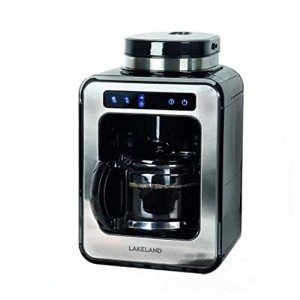
A coffee filter maker, also referred to as a coffee filter, is a simple machine that is used to make filtered coffee. It is comprised of a tiny funnel-shaped chamber and a one-way valve and filter. The one-way valve is located in the hole in the bucket or heating pipe. It forces boiling water to the white tube and blocks cold water from rushing back down.
Cost
When you're brewing coffee, the filter is a vital element that determines the taste and consistency of your brew. The right filter type can make all the difference in a cup of coffee, therefore it is essential to select one that suits your needs and budget.
Filters are available in different materials, and they perform many tasks. They can block the transfer of foreign flavors, or regulate the flow of water. They can also influence the extraction process by limiting the amount of ground coffee that is passed through. While a paper filter is the most common, there are other types too, such as metal and cloth.
A filter maker for coffee can be utilized with a variety of methods of brewing, ranging from manual pour-over to automatic drip. The most popular method to create filter coffee is to use an automatic drip machine. This type of brewing equipment makes use of a basket-shaped metal filter or a special type of paper.
The price of filter coffee makers is determined by the filter type, the proportion of water to coffee, and the size or your grounds. If you decide to use pre-ground coffee instead of whole beans, it can be more expensive than buying the beans in their raw form.
Whatever filter you choose regardless of the type, you must take into account the impact it has on the environment. Paper filters are often constructed from recycled, unbleached paper that can be composted as well as cloth and metal filters are reusable and help reduce the amount of waste and resources consumed. However, they might require more frequent cleaning and maintenance than disposable filters.
A premium coffee filter can reduce the amount that is ground into your mug and enhance the taste. Make sure you use a premium filter that is free of chlorine and sized to fit the filter maker for coffee. Avoid cheap filters that could negatively affect the flavor of your coffee through the transfer of foreign flavors, or by bursts and clogging.
The kind of coffee filter maker you choose will also impact the price. The latter is the more cost-effective option for long-term savings since it can save you money on the cost of replacing filters. Additionally, it can stop the accumulation of micro-grounds and oils on your filter.